

Brake Care Tips for West Michigan Drivers
If you prefer to speak with someone directly, call our service department at (616) 949-6344, or visit us in person at 2525 28th St SE, Grand Rapids, MI 49512.
Brake Care Made Easy at Berger Service
Table of Contents
- Recognizing the Warning Signs of Worn Brake Pads and Rotors
- Understanding Brake Pad Thickness and Safe Wear Limits
- How Towing, Hauling, and Stop-and-Go Commutes Accelerate Brake Wear
- The Real Cost of Delaying Brake Service and Component Replacement
- Professional Brake Care and OEM Standards at Berger Chevrolet
- Quick Answers to Common Brake Service Questions
- Schedule Your Certified Brake Service Today
Recognizing the Warning Signs of Worn Brake Pads and Rotors
Have you noticed a high-pitched squeak when slowing down at a traffic light? This common sound is often the first indicator that your brakes need professional attention. Most modern brake pads feature built-in metal wear indicators, which are small metal tabs designed to scrape against the rotor and emit a warning noise when the friction material has worn down too much. Ignoring this squeal can quickly lead to a harsh, metallic grinding noise, indicating the friction material is entirely gone and the metal backing plate is making direct contact with the rotor.
Beyond squeaky sounds, feedback through your steering wheel or brake pedal can signal underlying issues. A distinct vibration or pulsation during deceleration typically means warped or unevenly worn rotors. When rotors experience extreme heat, their flat surfaces can develop high and low spots, preventing the pads from making smooth, consistent contact. This physical feedback is noticeable during daily local routines, where stop-and-go school drop-off lines, errand runs, or driving short distances put continuous, repetitive stress on front brake assemblies. If your vehicle requires a longer distance to come to a complete halt, or if it pulls slightly to one side when you apply pressure to the pedal, the hydraulic balance or the pad wear is uneven. Recognizing these signs early allows you to address maintenance needs before they compromise your safety.
Additionally, you can check your brake pad and rotor life within the MyChevrolet app or visit our dealership in person to have your brakes checked. As part of our Service Multi-Point Vehicle Inspection, we'll check your brakes and give you a definitive brake life percentage update.
Understanding Brake Pad Thickness and Safe Wear Limits
A brand-new brake pad typically starts with roughly 10 to 12 millimeters of material attached to its steel backing plate. As you drive throughout West Michigan, whether on your daily commute or a weekend getaway, friction gradually wears this layer down to slow your vehicle. Industry standards dictate that once this material wears down to 3 millimeters, the pads are considered fully worn and require replacement to prevent metal-on-metal contact and ensure reliable stopping performance. Operating a vehicle with pads worn past the recommended threshold dramatically increases the risk of sudden friction material shear, caliper damage, or complete braking system failure. Measuring this thickness accurately requires specialized calipers, which our technicians use during every multi-point vehicle inspection. Uneven wear can occur if a caliper pin is sticking or if hydraulic pressure is not distributed evenly, which is why our team looks at both the inner and outer pads during an inspection.
How Towing, Hauling, and Stop-and-Go Commutes Accelerate Brake Wear
While highway cruising allows brakes to cool down, heavy-duty tasks and congested city streets where drivers are more frequently stopping accelerates wear. Every pound of cargo or trailer weight added to your vehicle increases the kinetic energy that must be converted into heat during deceleration. For instance, towing a recreational trailer or hauling heavy gear around West Michigan requires your braking system to work significantly harder than it would during a light commute, raising rotor temperatures and accelerating brake pad wear.
Frequent stop-and-go driving also plays a major role in how quickly your stopping components wear out. In city environments, you are constantly applying the brakes without giving the rotors adequate time to cool down. This continuous heat cycling can lead to glazed pads, where the friction material crystallizes and loses its grip, resulting in a hard pedal feel and reduced stopping efficiency. While this is a rare occurrence, regular brake inspections can help to identify this problem before it becomes one.
The Real Cost of Delaying Brake Service and Component Replacement
A common misconception among drivers is that delaying brake service saves money over the long term. In reality, putting off a simple pad replacement almost always leads to much more expensive repairs. When the friction material on your pads wears completely away, the steel backing plates grind directly into the rotors, carving deep grooves into the metal. Once rotors are deeply scored or worn below the minimum thickness specification stamped on the rotor hat, they cannot be resurfaced and must be completely replaced.
Furthermore, the extreme heat generated by metal-on-metal contact can damage the rubber seals on your brake calipers, leading to fluid leaks or causing the caliper piston to seize. If a rotor is warped, deeply cracked from thermal stress, or already too thin, replacement is the only safe option. Replacing a caliper, rotor, and pad set is significantly more costly than replacing only the pads during a routine maintenance window.
To keep your vehicle performing safely and avoid these compounding costs, schedule a brake inspection with the Berger Service Department. Our certified technicians will examine your vehicle and brakes to make sure you are driving a vehicle that is safe and in its optimal condition.
Professional Brake Care and OEM Standards at Berger Chevrolet
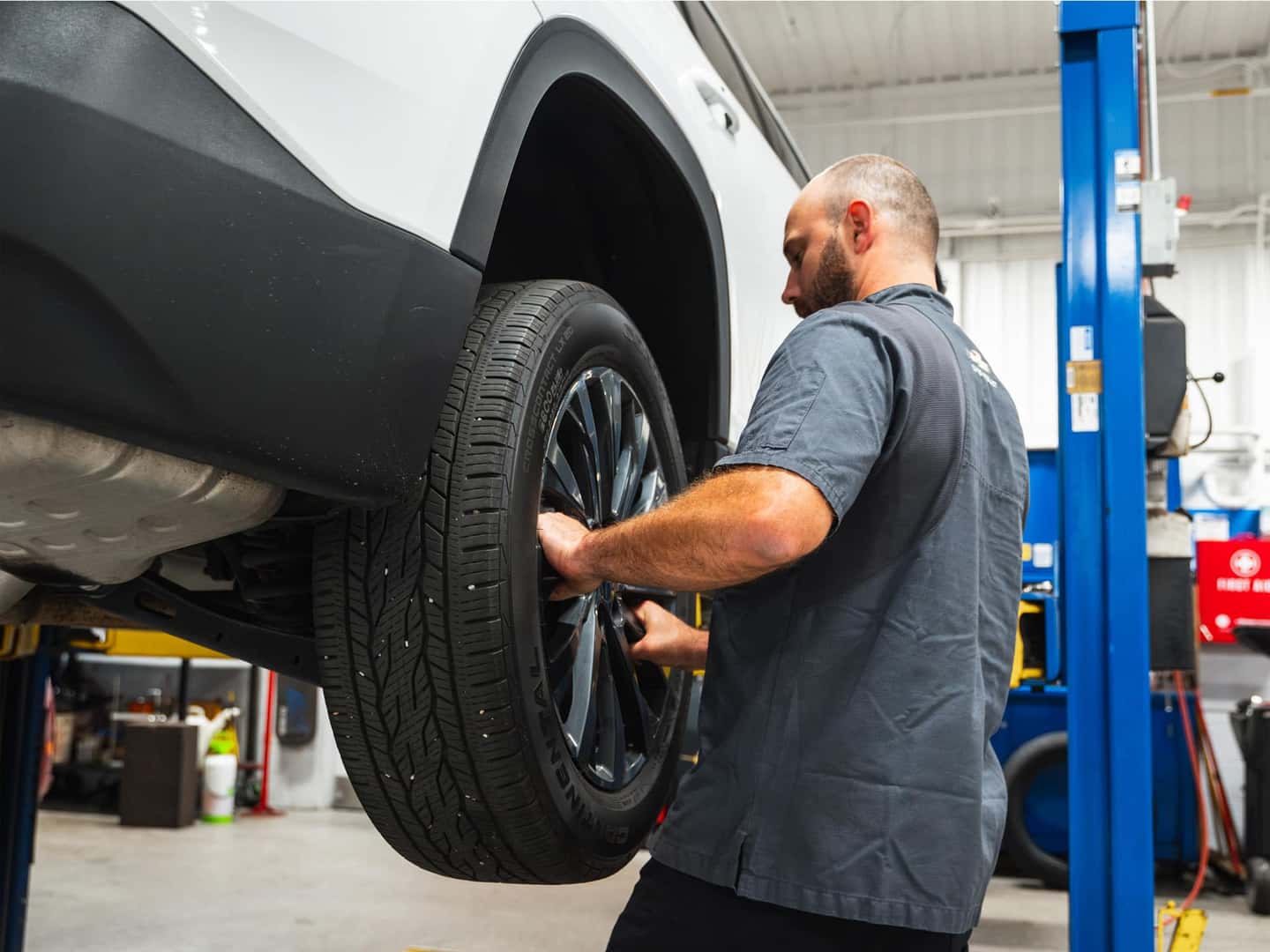
When our service advisors walk drivers through their multi-point inspection sheet, the question we hear most is whether it is more cost-effective to replace brake pads and rotors at the same time. The answer is typically yes, because replacing them together saves on long-term labor costs. Our GM-certified technicians already have the wheel and caliper assembly disassembled to replace the pads, making it more efficient to install new rotors simultaneously.
At our dealership, all of our technicians are GM certified and have access to the most up-to-date equipment and training tools. Our dealership is home to a comprehensive inventory of GM parts, including GM OE brake pads and rotors, along with ACDelco pads and rotors.
Berger Chevrolet is committed to providing West Michigan drivers with transparent, high-quality care that honors our over 100 year legacy of service. When you are ready for your next brake service, call our Service Department at (616) 949-6344 or visit our dealership in person at 2525 28th St SE, Grand Rapids, MI 49512 to experience our certified service firsthand.
Quick Answers to Common Brake Service Questions
Q: Does winter road salt affect my brakes? Heavy road salt use can accelerate corrosion on brake calipers and rotors. This rust buildup can cause the brake pads to stick in their brackets, leading to uneven wear and squealing. Regular undercarriage washes during winter months help minimize this risk.
Q: What is brake fluid flushing, and how often do I need it? Brake fluid is hygroscopic, meaning it absorbs moisture from the air over time, which lowers its boiling point and can cause a spongy pedal feel. Chevrolet recommends flushing the brake fluid every two years or 30,000 miles to protect internal hydraulic components from corrosion.
Q: Can I just replace the brake pads on one side of my vehicle? Brake components must always be replaced in axle sets (both front or both rear) to maintain balanced stopping force. Replacing pads on only one side can cause the vehicle to pull dangerously to one side during hard braking.
Q: How long does a typical brake inspection take at the dealership? When your vehicle is in for its service appointment, a standard visual brake inspection is usually completed in about 30 to 45 minutes. Our technicians will measure pad thickness, inspect rotor surfaces, and check fluid levels to provide a complete health report.
Schedule Your Certified Brake Service Today
Ensuring your vehicle's stopping system is in prime condition is one of the most important aspects of routine vehicle ownership. Whether you have noticed a slight squeak during your morning drive or it has been a while since your last inspection, our service team is here to help. Our GM-certified technicians will thoroughly evaluate your pads, rotors, calipers, and fluid to keep you driving with confidence. Schedule service online today and let our certified service department handle the rest.